Discover how we can help your team select better materials
Material sourcing and treatments often carry hidden social, environmental, and animal welfare risks. We help brands understand what they're using, and what it means.
Please resize your window or rotate your device.


Silk is a natural protein fibre produced by silkworms, primarily the mulberry silkworm (Bombyx mori). Mulberry silk cocoons are typically harvested before the moth emerges, with the cocoons boiled to soften the sericin gum and preserve the long, continuous fibres.
While silk is renewable and biodegradable, conventional production raises animal welfare concerns, as most silkworms are killed during harvesting. It also involves significant water, energy, and chemical use during processing. ‘Peace silk’ or Ahimsa silk, where moths are allowed to emerge naturally, offers a more ethical alternative but is less common and results in shorter fibres.
Silk biodegrades naturally and is valued for its durability and luxurious feel, but its production remains ethically and environmentally controversial.
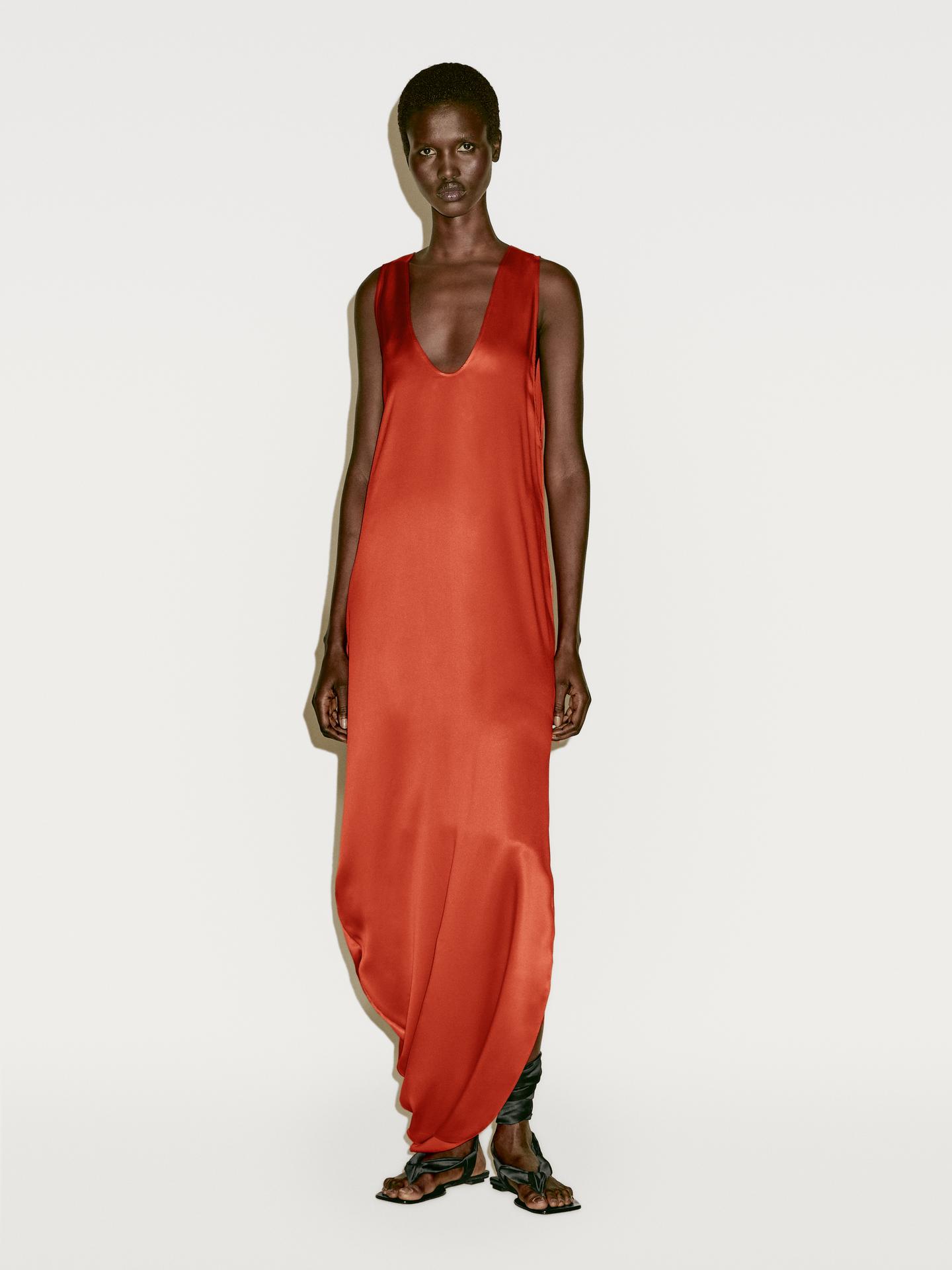
For responsible silk sourcing, prioritise wild silk, peace silk (Ahimsa silk), organic silk, or silk from certified supply chains that minimise chemical use and support sericulture communities. Avoid overly cheap silk that may indicate poor environmental practices or exploitative labour conditions.
If your team needs support sourcing, talk to us to find out how we can help.

Material sourcing and treatments often carry hidden social, environmental, and animal welfare risks. We help brands understand what they're using, and what it means.

Materials and treatments are at the heart of every product. Bergstrand helps brands navigate these choices through clear guidance, structured tools, and practical workshops that embed sustainability into design and development.
Discover more →Our team know that it isn’t just about choosing materials that tick boxes, it’s also selecting materials that feel, behave and look the way they should.
With our core focus on fashion, performance and textiles, we offer advice in a way that doesn’t compromise on your product.
Find out more about what we can do for your brand.
Thank you for your enquiry.
A member of our team will get back to you within 24 hours.
If you’re curious to see how we’ve helped our other clients, feel free to browse our Case Studies.