Discover how we can help your team select better materials
Material sourcing and treatments often carry hidden social, environmental, and animal welfare risks. We help brands understand what they're using, and what it means.
Please resize your window or rotate your device.

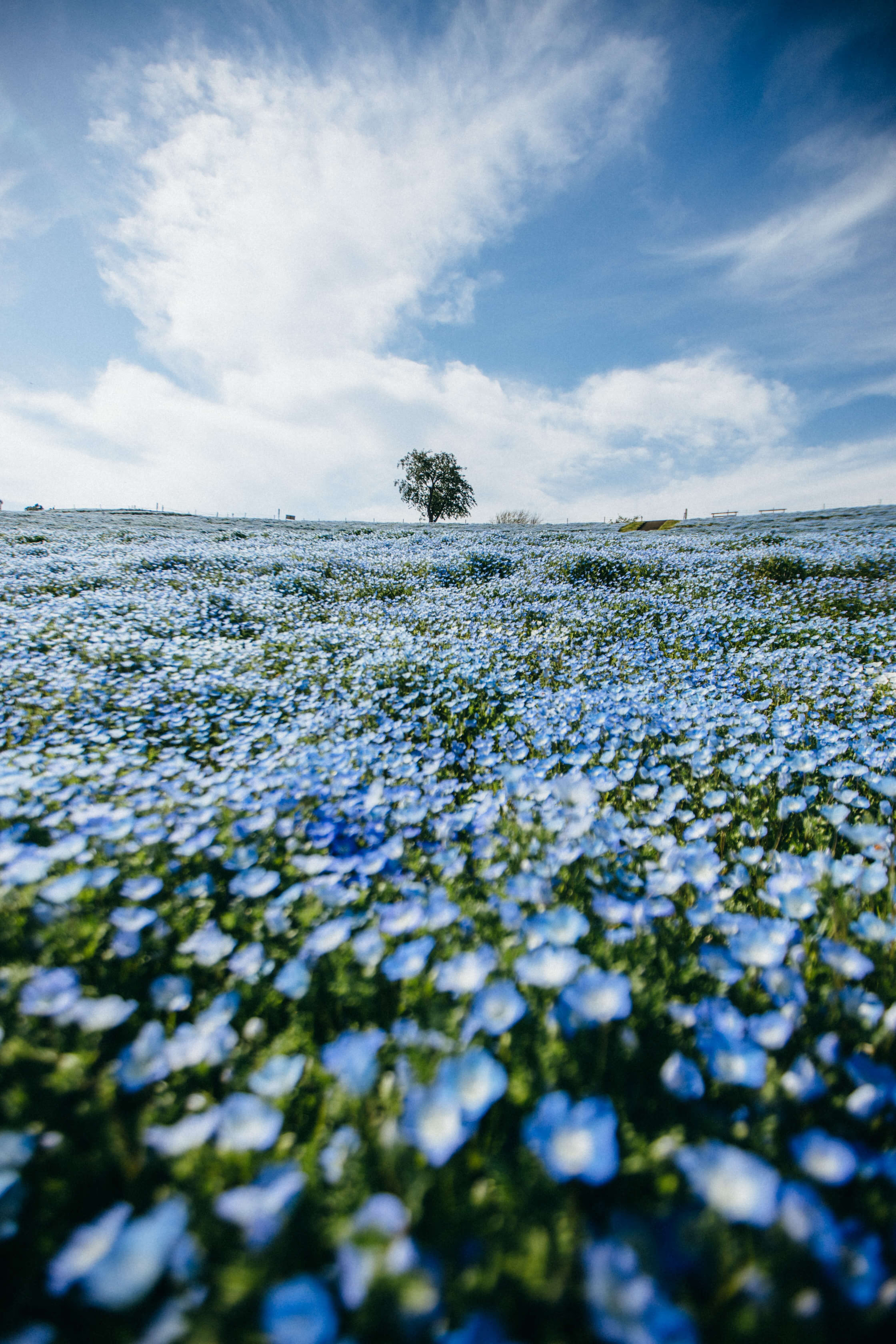
Linen is made from the flax plant, a resilient crop well-suited to cooler climates with naturally more rainfall. Flax typically requires fewer synthetic inputs, such as pesticides and fertilisers, compared to other plant fibres like cotton. It has a long history in textiles and is valued for being breathable, strong, and having good biodegradability.
The environmental footprint of linen is quite dependent on the retting process used to separate the fibres. Dew retting is the better option as it leverages natural moisture and microbial action in the field. This avoids the large volumes of water and harsh chemicals associated with water or chemical retting, which is often used in larger-scale production of linen.

Opt for organic linen where possible and prefer if it’s dew-retted. Partner with suppliers who support fair working conditions during harvest. Certifications can provide additional assurance on social and environmental standards.
If your team needs support sourcing, talk to us to find out how we can help.


Material sourcing and treatments often carry hidden social, environmental, and animal welfare risks. We help brands understand what they're using, and what it means.

Materials and treatments are at the heart of every product. Bergstrand helps brands navigate these choices through clear guidance, structured tools, and practical workshops that embed sustainability into design and development.
Discover more →Our team know that it isn’t just about choosing materials that tick boxes, it’s also selecting materials that feel, behave and look the way they should.
With our core focus on fashion, performance and textiles, we offer advice in a way that doesn’t compromise on your product.
Find out more about what we can do for your brand.
Thank you for your enquiry.
A member of our team will get back to you within 24 hours.
If you’re curious to see how we’ve helped our other clients, feel free to browse our Case Studies.