Discover how we can help your team select better materials
Material sourcing and treatments often carry hidden social, environmental, and animal welfare risks. We help brands understand what they're using, and what it means.
Please resize your window or rotate your device.

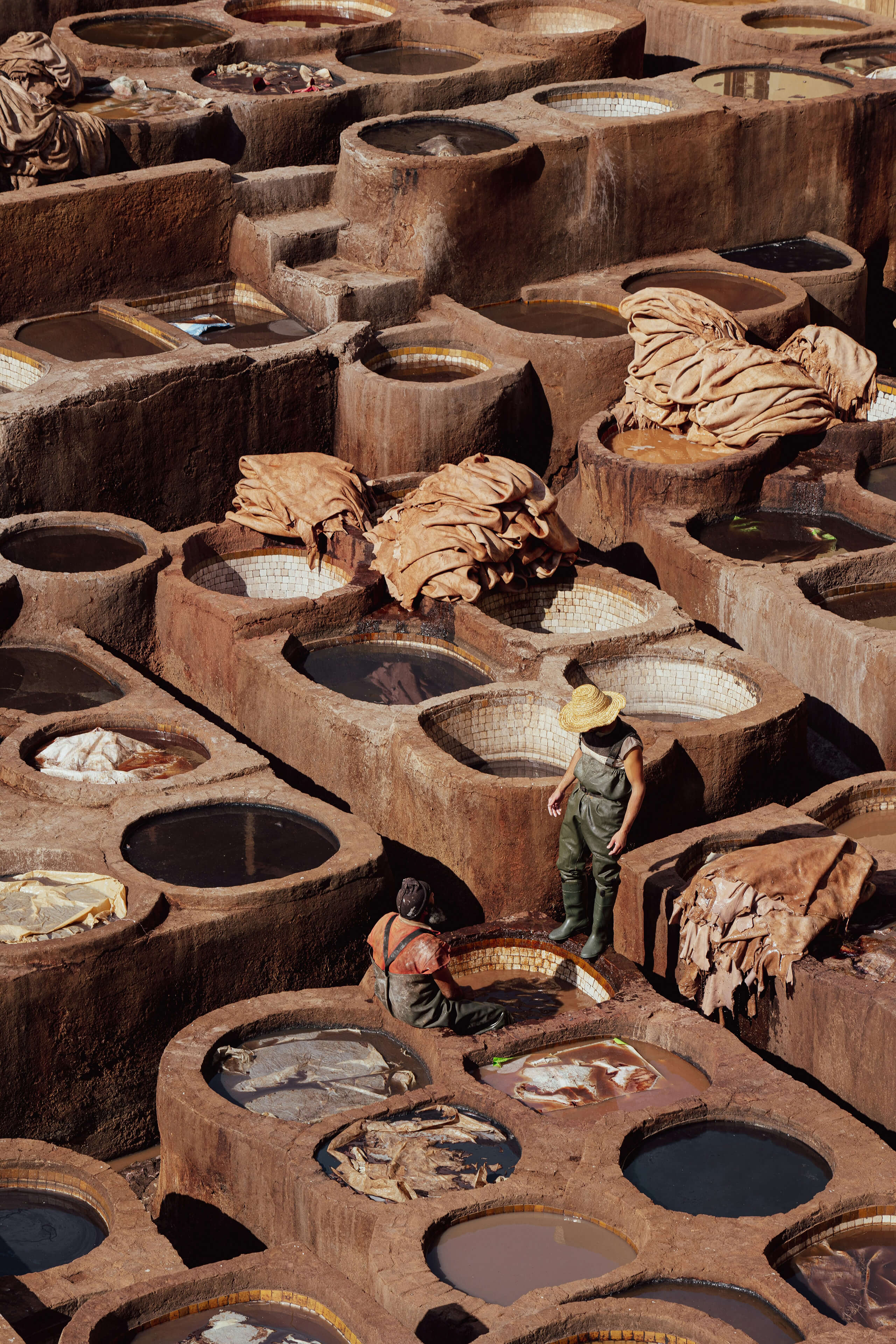
Leather is made from the hides of animals, most commonly cows, goats, or pigs. As a co-product of the meat industry, it utilises a by‑product that might otherwise go to waste, potentially reducing the overall environmental footprint of animal agriculture.
Traceability across the supply chain is essential to ensure high standards of animal welfare and to understand the farming practices behind the hides. The environmental impact can vary widely: regenerative agriculture, which supports soil health, biodiversity, and carbon sequestration, offers clear benefits over conventional systems.
The tanning process, which preserves and softens hides, also has a significant impact. Most leather is produced using chromium-based tanning, which employs toxic chromium salts that can contaminate water sources and harm tannery workers and nearby communities, particularly in regions with weak environmental and labour protections. Alternative methods, such as vegetable tanning or chrome‑free processes, use natural or less hazardous substances, greatly reducing water pollution and chemical risks, though these techniques remain less common at scale.
When produced responsibly, using ethical farming practices, safe tanning methods, and strong environmental safeguards, leather can be a long-lasting material: it is durable, repairable, and, when left untreated, biodegradable.

For best sourcing practices, opt for vegetable-tanned, chrome-free, or certified leather such as those meeting Leather Working Group (LWG) standards. Prioritise traceable supply chains that ensure animal welfare and environmental compliance, and use leather only where durability and longevity are essential to maximise the longevity of the product.
If your team needs support sourcing, talk to us to find out how we can help.


Material sourcing and treatments often carry hidden social, environmental, and animal welfare risks. We help brands understand what they're using, and what it means.

Materials and treatments are at the heart of every product. Bergstrand helps brands navigate these choices through clear guidance, structured tools, and practical workshops that embed sustainability into design and development.
Discover more →Our team know that it isn’t just about choosing materials that tick boxes, it’s also selecting materials that feel, behave and look the way they should.
With our core focus on fashion, performance and textiles, we offer advice in a way that doesn’t compromise on your product.
Find out more about what we can do for your brand.
Thank you for your enquiry.
A member of our team will get back to you within 24 hours.
If you’re curious to see how we’ve helped our other clients, feel free to browse our Case Studies.